Putting the Brown Eagle Embroidery Design to Practical Use
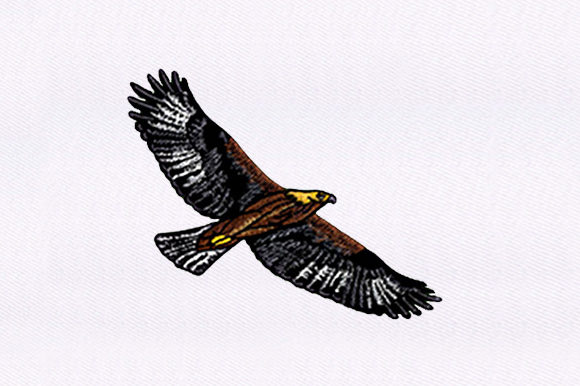
When you first open a new embroidery design file, you’re not just looking at lines on a screen. You’re visualizing stitches, gauging how it will feel on fabric, and imagining the final product on a shelf or in a client’s hands. That’s the lens I used when evaluating the Brown Eagle machine embroidery design.
The Immediate Visual Impact: A Design with Quiet Authority
First impressions are everything in our line of work. This Brown Eagle design doesn’t scream for attention; it commands it with a sense of grounded strength. The posture and layout suggest a watchful, protective presence rather than aggressive motion. The mood it creates is one of rustic dignity and natural confidence. This isn’t a flashy cartoon bird—it feels authentic. The detail level appears balanced, suggesting it will translate well into stitches without becoming overly dense or losing definition. Its visual personality leans towards classic and timeless, making it a design that could appeal across generations.
It naturally belongs to projects where that sense of heritage or personal strength is desired. Think of a custom embroidered tote bag for a hiker, the central motif on a heirloom-quality pillow cover, or a bold statement on the back of a well-crafted sweatshirt. I immediately pictured it stitched in rich, earthy thread colors on a neutral canvas bag—a product that feels both handmade and profoundly sturdy.
Real-Life Embroidery Scenarios: Where This Eagle Earns Its Wings
Let’s walk through a real scenario. Say you’re preparing a batch of personalized gifts for a family reunion. You want something that resonates with the men, the outdoorsy types, perhaps as an embroidered cap or a set of kitchen towels for a cabin. The Brown Eagle design fits this perfectly. Its theme is universally respected, not overly gendered, and carries a warmth that’s perfect for a gift.
For small business merchandise, this design adds value. On an apron for a boutique grill shop or a patch sewn onto a denim jacket for an Etsy listing, it elevates the product from generic to curated. For baby items or nursery decor, in softer brown tones, it could become a wonderful woodland-themed piece on a blanket, suggesting protection and nature without being intimidating. As a digital product seller, this file’s utility across numerous embroidery file formats—like PES, DST, JEF, and others listed—means it’s a versatile asset for a wide audience of makers using different machines, which is a huge practical advantage.
Commercial Projects and Customer Perception
When a customer sees this design stitched onto a product, the clarity and execution directly impact their trust. A cleanly embroidered eagle with good stitch definition conveys professionalism. It makes a handmade presentation feel intentional and skilled, not amateur. For brand consistency, if your craft business leans towards rustic, outdoor, or heritage styles, this design could become a reliable part of your visual library. Its giftability is high because it feels personal yet not overly niche. The recognition of an eagle is instant, which aids in buyer engagement—people know what they’re looking at and often connect emotionally with it.
Points of Careful Consideration Before Hooping
Every design has its ideal applications and its trickier territories. With a subject like this, presumably with some detailed feather work and contours, there are areas to plan for.
- Small Hoop Sizes: If the design is large, attempting to shrink it drastically for a tiny 3x4 inch hoop on a cap might compromise the detail. Test the scaling first on scrap fabric.
- Textured or Stretchy Fabrics: Stitching this on a thick sweater or a stretchy polo shirt requires extra attention to stabilizer. The integrity of the silhouette is key.
- Dark Fabric Backgrounds: Using lighter thread colors on dark fabric will make the eagle pop, but you must review stitch density to ensure fills are solid and don’t let the background peek through.
- Curved Surfaces: Embroidering it on a cap’s curved panel demands a good stabilizer and possibly adjusting the placement to avoid the steepest curves where distortion can happen.
- Dense Stitch Areas: If the design has large fill stitch areas, be mindful of thread buildup on lighter fabrics like tee-shirts to prevent stiffness.
- Products for Frequent Washing: On items like tea towels or baby clothes, a robust satin stitch border and secure stitching will ensure longevity.
The design’s success hinges on these practical choices, not just the digital file itself.
Practical Designer Notes for a Smooth Stitch Out
Before committing this to a client’s garment or a batch of products for a craft fair, here’s my standard checklist.
- Always test the design on a scrap of the actual fabric you’ll use. This reveals how the texture interacts with the stitches.
- Check thread color contrast against your background. Sometimes a mockup in black and white can help judge value contrast separate from color.
- Review the stitch density in your embroidery software if possible. Are there overly dense fills that might require adjusting or a different needle?
- Confirm the physical hoop size needed. The product description lists many file formats, but the exact size isn’t stated—you must check the specific file you use.
- Inspect small details like the eagle’s eye or talon tips in the test stitch. These fine points define the quality.
- Compare how it looks on both light and dark fabric backgrounds in your preview. The design might need a slight thread color shift for each.
- Use a proper stabilizer suited to your fabric. This is non-negotiable for preserving detail.
- Crucially, check whether the design’s licensing permits use for commercial projects, selling finished items, or as part of digital products. The product type is listed as embroidery, but the specific license terms are not provided here. Always confirm this before selling.
The Final Verdict on Project Fit
The Brown Eagle machine embroidery design strikes me as a robust, versatile asset for makers. Its aesthetic leans towards the classic and substantive, making it a strong candidate for personalized gifts, custom apparel with a masculine or rustic lean, and small shop merchandise that aims for a timeless feel. It avoids trendiness, which can be a strength—it won’t look dated next season.
For embroidery designers and creative entrepreneurs, the wide format support means less hassle with conversions, letting you focus on the craft. The real value emerges when it’s stitched thoughtfully on the right product. Imagine it on a clean, high-quality sweatshirt: it would feel premium. On a simple tote bag, it becomes the standout feature. In a baby’s nursery blanket, it adds a touch of gentle wilderness.
My advice is to embrace its straightforward strength. Don’t overcomplicate it with excessive embellishments. Let the design’s own quiet authority carry the product. Match it with solid fabrics and thoughtful thread choices, and you’ll have an embroidered piece that feels both professional and sincerely handmade. That balance is where customer trust is built and where your craft business finds its footing.