Golden Roost: A Cozy Embroidery Design for Everyday Use
The First Impression: Warmth You Can Stitch
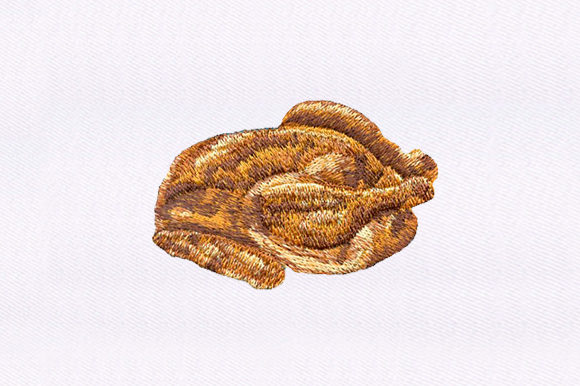
When I first opened the Golden Roost embroidery file, I didn’t just see a design; I felt a mood. It immediately evokes that sense of a quiet, cozy morning—the kind of image that feels familiar and comforting. This isn’t a flashy, overly intricate piece; it has a straightforward, welcoming personality. The layout and detail level suggest it’s meant to be enjoyed, not just admired. I knew right away this design belonged on items meant for daily life and heartfelt gifts.
Where This Design Naturally Lives
In my studio, I’m always thinking about where a design will truly shine. Golden Roost feels destined for the tactile world. I pictured it on a well-loved kitchen apron or a tea towel hanging in a sunny spot. It would be perfect for a personalized baby blanket or nursery pillow cover, adding a gentle, classic touch. For a small shop product, it could transform a simple canvas tote bag into a boutique-ready item. Its theme makes it a natural candidate for holiday gifts, like a stitched pillow cover for a wedding or housewarming present, because it speaks of home.
Stitching It Into Reality: Performance in Projects
Let’s talk about how Golden Roost translates from digital file to finished product. I considered it for a custom embroidered sweatshirt order. The design’s likely balance of elements—I’d anticipate some satin stitch outlines and fill stitch areas—means it should offer good stitching clarity without being overly dense. That’s key for apparel like t-shirts or caps, where heavy stitch density can make a garment stiff. On a tote bag or patch, it would build a durable, crisp product.
For crafters selling handmade products on Etsy or at fairs, this design elevates basic merchandise. An embroidered tea towel with Golden Roost isn’t just a towel; it’s a kitchen decor item. That shift in perception boosts product value and buyer engagement. When customers see a clean, well-executed embroidery like this, it builds trust in your craftsmanship and brand consistency.
The Professional’s Checklist Before Hooping
Before I run any design for a client project or my own craft business items, I follow a routine. With Golden Roost, my first step is always to test it on scrap fabric identical to my final project fabric. This tells me everything. I check thread color contrast against both light and dark backgrounds—sometimes a design needs a slight color shift to pop on black fabric. I review the stitch density in small detailed corners; if there are tiny elements, I ensure they’ll stitch out cleanly.
A crucial note: always confirm the exact hoop size required by studying the file itself, as this wasn’t specified here. Using the proper stabilizer for your fabric texture—whether it’s a stretchy sweatshirt or a sturdy apron—is non-negotiable to prevent puckering. And for any commercial embroidery or digital product sellers: please confirm the licensing terms for this embroidery file before selling finished items or using it in digital product previews and printable mockups.
Careful Application: When to Exercise Caution
Every design has its ideal matches and its less-perfect fits. For Golden Roost, I’d be cautious on very small hoop sizes if the design is large, as compression can lose detail. Textured or very thin fabrics might require extra stabilizer hooping techniques to maintain clarity. On curved surfaces like caps, the design’s layout would need to be evaluated for placement so it doesn’t wrap awkwardly around the seam.
For products destined for frequent washing, like baby clothes or kitchen linens, the stitch integrity is paramount. A well-digitized design with secure stitch paths will hold up, but it’s wise to test wash durability on your scrap sample. Also, dense stitch areas, if present, on layered garments like hoodies can create a stiff patch; consider reducing the stitch count if your machine allows or selecting a lighter fabric backing.
How It Enhances Your Creative Business
Using a design like Golden Roost effectively isn’t just about making a single item. It’s about building a visual story for your customers or gift recipients. This design adds a handmade presentation that feels professional and deliberate. It’s giftable because it’s universally appealing—people recognize and connect with its theme easily. For an apparel decorator or small shop owner, incorporating such designs into your lineup creates a cohesive collection that attracts repeat buyers.
From a practical embroidery designer’s point of view, I always advise testing the design in simple black and white mockups to see its form without color distraction. This helps in planning thread palettes. Remember, the provided embroidery file formats are extensive—including formats like PES, JEF, DST, and others—ensuring compatibility with most machines, but always verify your specific machine’s format before beginning.
A Final Thought for Makers
Embroidery designs like Golden Roost are the quiet heroes of a maker’s inventory. They aren’t always the most dramatic, but they are the ones that get requested again and again for personalized gifts and everyday custom apparel. They stitch up reliably, satisfy customers, and become the steady workhorses for your craft business. Approach it with a professional’s preparation: test, check, and confirm. Then, let it bring that warm, golden impression to life on your next project, whether it’s a holiday gift, a boutique product, or a cherished item for your own home.